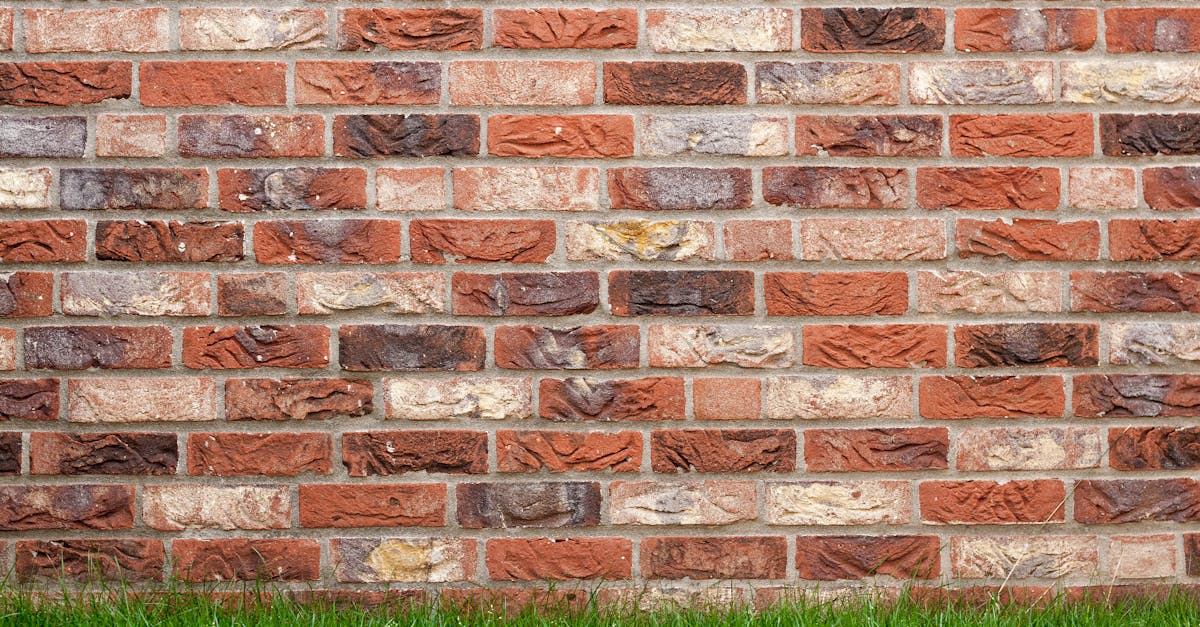
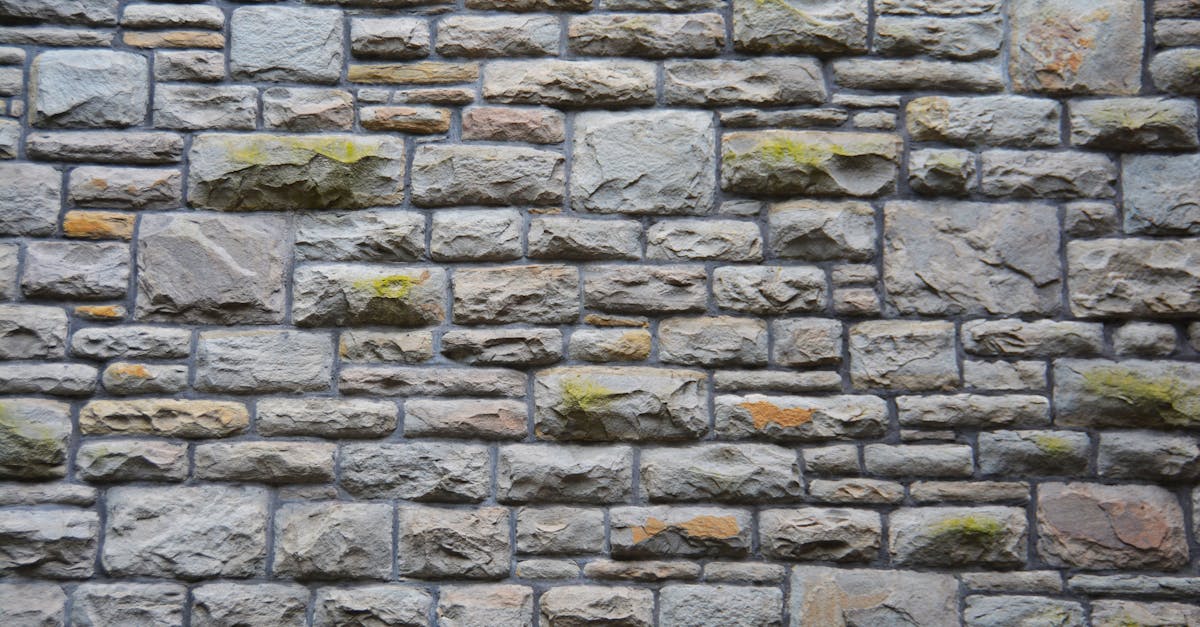
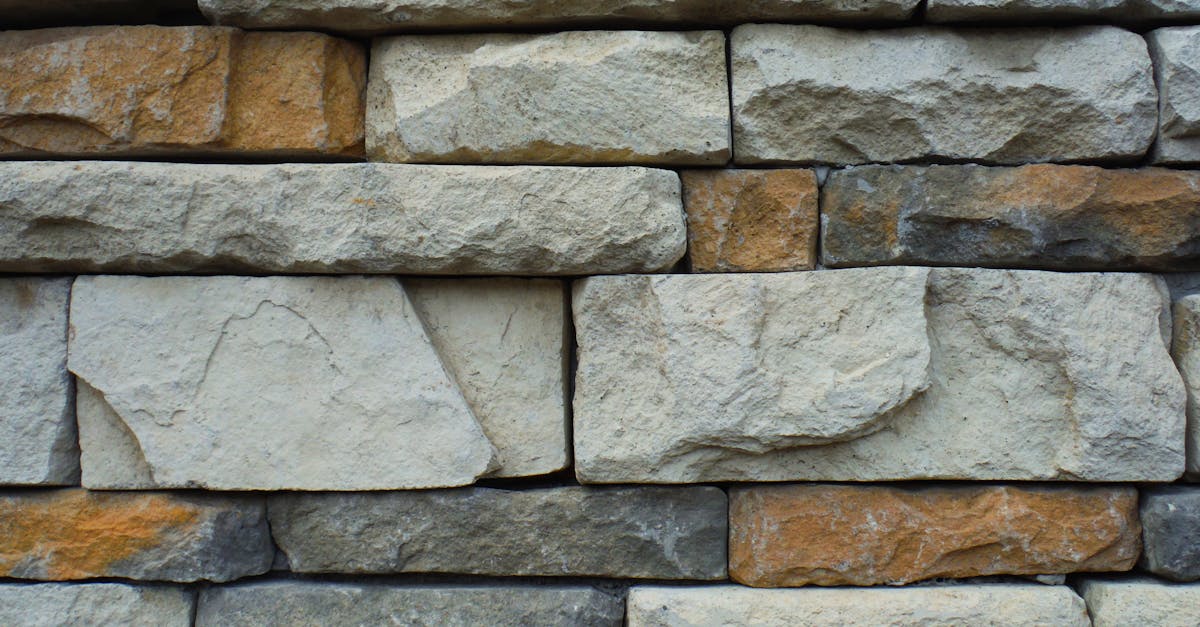
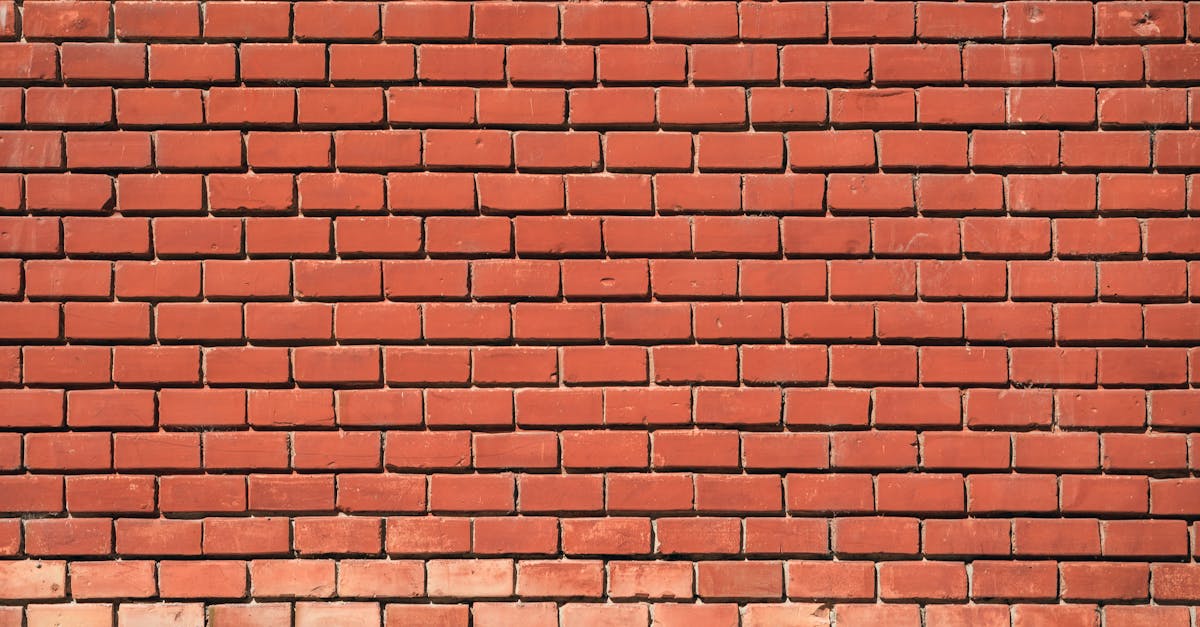
Cavity walls are often constructed using a combination of masonry materials, creating a robust structure that is both practical and effective. These walls typically feature an inner leaf and an outer leaf, separated by a cavity that can be filled with various types of insulator. Commonly used insulators include fibreglass and other materials designed to enhance home insulation. In many cases, parapet walls are incorporated to improve the overall aesthetic and serve critical functions like resisting water intrusion. Sealants are also essential in maintaining the integrity of these structures, preventing moisture from compromising their performance.
Apartment buildings frequently utilise cavity walls due to their superior thermal efficiency and strength. The layout of these walls allows for ropes to be installed for safety during maintenance or repairs, especially around loft insulation areas. This design fosters excellent airflow while minimising heat loss. Proper installation of the insulating material is crucial to achieve the best results, ensuring that any gaps are adequately sealed. As a result, cavity walls have become a popular choice in modern construction, blending functionality with aesthetics effectively.
Unique Variations in Cavity Wall Design
Cavity walls exhibit various unique designs, expanding beyond the typical cavity wall structure. Many cavity walls incorporate innovative materials that enhance structural integrity and aesthetic appeal. Modern cavity wall systems often feature an insulated cavity wall, providing superior thermal performance. The configuration of the wall cavity can vary based on regional practices or specific architectural styles, leading to distinct designs that cater to various climate conditions.
Sitemap
Different construction techniques contribute to the unique variations found in cavity walls. Some designs integrate decorative elements that are practical while ensuring the cavity wall maintain its intended insulation properties. A well-constructed cavity wall doesn’t only address weather resistance but can also enhance the overall character of a building. Such tailored solutions create more energy-efficient homes and provide a unique approach to traditional wall systems.
Benefits of Cavity Wall ConstructionContact Us!
| Energy Efficiency | Reduces heat loss in winter and minimizes heat gain in summer through optimized insulation in the cavity. | Lower energy bills and reduced carbon footprint. |
| Moisture Control | Prevents condensation by maintaining temperature regulation between the outer and inner walls. | Minimizes risk of damp and mold growth, promoting a healthier indoor environment. |
| Longevity of Structure | Protects bond walls and interior walls from water ingress through proper insulation and cavity trays. | Increased lifespan of the building and reduced maintenance costs. |
| Comfort | Enhances the comfort level of living/workspaces by providing stable indoor temperatures. | Improved quality of life for occupants. |
Types of Cavity Wall Insulations Available
Cavity walls can be insulated using a variety of materials tailored to different wall types and their specific requirements. Common insulation options include mineral wool, foam board, and polystyrene beads. These materials effectively reduce heat transfer through the cavity, helping maintain comfortable temperatures in inner rooms. The choice of insulation should consider the structure of the outside wall, ensuring that the barrier wall system is properly installed to prevent moisture ingress and potential wall collapse.
Alternative options for insulating cavity walls include the use of spray foam and reflective insulation. Spray foam adheres directly to the inner surfaces of the cavity, creating an airtight seal that enhances energy efficiency. Reflective insulation, on the other hand, is ideal for hot climates where it can reflect radiant heat away from stone structure walls. Selecting the right wall type and insulation method can significantly improve the performance of cavity walls while preventing issues associated with dampness and providing adequate thermal comfort within the home.
Installation of Cavity Wall Insulation
Effective installation of cavity wall insulation is crucial for optimising energy efficiency in buildings with cavity walls. An insulation technique tailored for external masonry walls ensures that both the straight wall and hollow wall structures are properly addressed. Utilising materials that fit well within the dirty cavities can significantly enhance thermal performance. Careful consideration must be given to the integration of vents, which allow for adequate airflow and moisture control, preventing issues such as dampness. Proper brackets for metal wall tiles must be installed to maintain the integrity of the exterior wall. Ensuring that solid masonry walls and solid wall sections are appropriately insulated contributes to a comprehensive approach in achieving maximum wall insulation effectiveness.
Recommended Methods for Insulating Cavity Walls
Effective insulation of cavity walls is essential to enhance energy efficiency. Proper wall construction that addresses the thermal performance can significantly reduce heating costs. Small vents should be installed at the base of the cavity to allow for adequate airflow, preventing moisture build-up. A detailed wall analysis assists in identifying any uneven cavities or problematic areas. Targeting these spaces ensures that the insulation material is adequately applied, allowing the structure to maintain its intended single wall purpose.
For cavity wall insulation, various methods exist that cater to different scenarios. Injecting insulation material into the gaps of the non-load bearing cavity is a popular approach. This method is particularly effective in older homes with single wall construction. It is crucial to ensure that any doorway accomplishes or openings are properly sealed to prevent heat loss. The insulation process not only enhances the interior structure's comfort but also ensures that the external wall prevents any potential weather-related issues.
Key Considerations for Effective Installation
Effective installation of cavity walls requires careful attention to detail, especially concerning the alignment of parallel masonry walls. Ensuring tubes for duct insulation are properly installed within the cavity is crucial for maintaining airflow and energy efficiency. The inner masonry skin should be inspected thoroughly for issues like dirty wall-ties which can compromise the integrity of the structure. Properly placed masonry wall flashings play a vital role in directing moisture away from rooms, safeguarding the insulation layers and preventing potential damage.
Understanding the importance of a clean and unobstructed cavity is essential for the longevity of the installation. Accumulation of debris or improper sealing can create cold bridging, undermining the benefits of solid wall insulation. Regular checks should be conducted inside the cavity walls to ensure that no blockages are present. Inspecting the condition of the inner masonry skin will help identify any signs of moisture ingress that may affect the insulation effectiveness in the surrounding rooms.
Common Issues with Cavity Walls
Cavity walls can encounter various issues that compromise their effectiveness and longevity. One common problem involves penetrations or openings in the wall, which can disrupt the airtight seal essential for maintaining proper insulation. These penetrations may lead to moisture intrusion, particularly at vertical cracks, diminishing the wall's ability to resist weather elements. It is critical to ensure that wall ties remain secure and the next wall tie is installed correctly to prevent structural failures. Different types of penetrations can arise from utility installations or other modifications, so using several insulation materials can offer varying levels of thermal efficiency. Implementing proper insulation can help mitigate these challenges, preserving the integrity of cavity walls over time.
| Issue | Description | Potential Impact |
|---|---|---|
| Poor Insulation | Inadequate or improperly installed insulation can lead to thermal bridging. | Increased energy costs and reduced comfort levels. |
| Moisture Intrusion | Water can enter through cracks or openings, leading to dampness. | Risk of mold growth and deterioration of materials. |
| Wall Tie Corrosion | Corroded wall ties can compromise structural integrity. | Potential structural failure and collapse. |
| Air Leakage | Unsealed penetrations can allow air leakage, reducing efficiency. | Higher heating and cooling costs. |
| Cracking | Vertical cracks can form due to settling or temperature changes. | Allow moisture entry and decrease the wall's effectiveness. |
Identifying Problems in Cavity Walls
Cavity walls are designed to provide thermal efficiency and moisture control, but issues can arise that compromise their effectiveness. One common problem is the presence of gaps between the masonry layers, which can allow air and moisture to penetrate. These gaps may result from improper installation or deterioration over time. In some cases, a hole might form, leading to significant heat loss and discomfort. This is particularly problematic in buildings intended for soundproof rooms, where maintaining a barrier against noise is essential.
Another crucial aspect to monitor is the condition of rigid insulation panels located within the cavity. If these panels become damaged or improperly positioned, they can create additional gaps that undermine the cavity wall's integrity. Defects on the inner side of the wall may indicate structural problems that require immediate attention. Regular inspection of these structures ensures that any emerging issues are identified early, preventing more extensive damage and costly repairs down the line.
Solutions for Common Cavity Wall Challenges
Addressing common challenges with cavity walls involves understanding the importance of maintaining the structural integrity of the design. Proper placement of wall-ties at the correct vertical spacing is crucial to support the outer leaf while ensuring the inner leaf remains stable. A well-designed drainage space with strategically placed drainage holes facilitates water diversion, preventing moisture from affecting the interior environment. Effective implementation of modern insulation materials enhances thermal performance and supports the overall durability of the cavity wall system.
To resolve issues related to moisture penetration, a reliable water barrier is essential. This barrier not only protects the interior environment but also contributes to the longevity of cavity walls. Regular inspections should focus on identifying any gaps or blockages within the drainage space that could lead to water accumulation. Implementing a routine maintenance schedule can greatly reduce the risk of serious structural problems, ensuring that any necessary repairs to floors and wall sections are addressed promptly.
Maintenance of Cavity Walls
The upkeep of cavity walls is crucial to ensuring their longevity and effectiveness. Regular inspection should focus on the condition of rigid insulation boards, as inappropriate insulation can lead to issues such as water penetration. During significant renovations, the integrity of the panels within the cavity must be assessed to maintain adequate thermal performance. Ensuring continuous insulation is properly installed will enhance indoor comfort and energy efficiency. Addressing any damage promptly is essential to prevent further complications that could affect both the structure and the indoor environment. Maintaining these walls is vital for preserving the overall health and performance of a building.
Regular Inspection and Upkeep
Routine checks of cavity walls are essential for maintaining their structural integrity. Inspecting the inner layer of the wall can reveal potential issues, such as the development of small holes that could compromise the barrier's effectiveness. Regular assessments should consider the spacing around insulation and façades to ensure that there are no gaps or areas where moisture could penetrate. Failure to maintain consistent insulation throughout the hollow space can lead to significant energy loss and dampness within the property.
Keeping a close eye on the internal surface of cavity walls helps in identifying awkward areas that may require more attention. It is vital to conduct inspections at least annually, looking for signs of damage or wear that could impact the performance of the insulation. An insulation top-up may be necessary if areas are found lacking in thermal efficiency. Addressing these concerns promptly ensures that cavity walls continue to function as an effective thermal and moisture barrier.
Repairing Damaged Cavity Wall Sections
Cavity walls can develop issues over time, such as vertical cracks or other penetrations that compromise their integrity. Repairing these sections requires a thorough inspection to identify any openings or weaknesses. Once the problem areas are recognised, it is essential to ensure that the repairs restore the airtight seal necessary for effective thermal performance. Wall ties may also need to be examined and replaced if they have deteriorated, ensuring that the structural integrity is upheld as well.
After addressing the visible cracks and openings, the installation of proper insulation is crucial for maintaining the cavity walls' efficiency. Several insulation materials are available, each offering unique benefits for enhancing thermal performance and moisture control. Proper insulation helps to minimise energy loss while preventing dampness, which can lead to further damage. Employing the right techniques during the repair process ensures that the next wall tie is appropriately positioned, ultimately prolonging the lifespan of the cavity walls.
Conclusion
Cavity walls play a crucial role in modern construction, offering numerous benefits, particularly when coupled with rigid insulation boards. These panels provide essential thermal performance, enhancing energy efficiency indoors. During significant renovations, attention must be given to the installation of continuous insulation to prevent issues such as inappropriate insulation and water penetration, which can compromise the integrity of cavity walls. Regular inspection and maintenance ensure that these structures remain effective, safeguarding against problems that may arise over time. Properly insulated cavity walls not only improve indoor comfort but also contribute to the longevity and resilience of a building.
FAQS
What are the benefits of using a wall type cavity in building construction?
Cavity-wall construction is advantageous because it helps to prevent moisture penetration, ensuring that brick walls and stone walls remain dry. By utilizing cavity wall techniques, builders can create empty cavity walls that improve insulation. The entire cavity helps to separate walls from outside elements, unlike a solid brick wall, which may not offer the same level of protection. This method is particularly effective in constructing brick cavity walls, providing a durable and efficient structure.
How do cavity walls function in terms of insulation and moisture control in buildings?
Cavity walls are designed to provide better insulation and moisture control. They consist of two layers of walls – the outer walls and an inner wall that is separated by a cavity. This design helps to utilize cavity wall properties effectively by preventing moisture from penetrating into the interior. The air trapped in the cavity reinforces insulation, keeping buildings warmer in winter and cooler in summer. Through this method, cavity walls play a significant role in enhancing energy efficiency and longevity, particularly in climates where moisture is a concern.
How do cavity walls compare to solid walls in terms of energy efficiency and durability in residential buildings?
Cavity walls offer several advantages over solid walls, particularly in terms of energy efficiency. The air gap between the outside walls and the inner walls in cavity walls helps improve insulation, reducing heat loss. Additionally, they provide better protection against moisture penetration, which enhances the durability of the structure. Overall, cavity walls can contribute to lower energy bills and a more comfortable living environment for residents.
What are the different materials used in constructing cavity walls in building designs?
In building designs, cavity walls are typically constructed using materials such as brick, block, and various forms of insulation. The choice of materials can significantly affect the performance of cavity walls, particularly in terms of energy efficiency and moisture control, which is essential in maintaining a comfortable environment at the center of the building.
What are the environmental advantages of cavity walls in modern building practices?
Cavity walls are often preferred in modern building practices due to their environmental advantages, particularly in energy efficiency. They provide effective insulation and help to reduce heat loss, making them an excellent choice for energy-efficient buildings. Moreover, cavity walls contribute to moisture control, preventing water ingress and enhancing the durability of the structure. This combination of benefits makes cavity walls a sustainable alternative in contemporary architecture.
What are the common issues faced with walls, specifically cavity walls, in older buildings?
In older buildings, cavity walls may experience several common issues such as moisture penetration, insufficient insulation, and structural problems. Addressing these concerns is crucial for maintaining the integrity of the walls.- cavity walls. Protecting against moisture and ensuring proper insulation can enhance the performance of cavity walls in older structures.